
From Athena Resort, set off to discover unforgettable places filled with art, sea, culture, and flavor. Thanks to our in-house excursion office, booking day trips to some of the island’s most iconic destinations is quick and easy. No stress, just a desire to explore.
Excursions
Explore the Best of Sicily
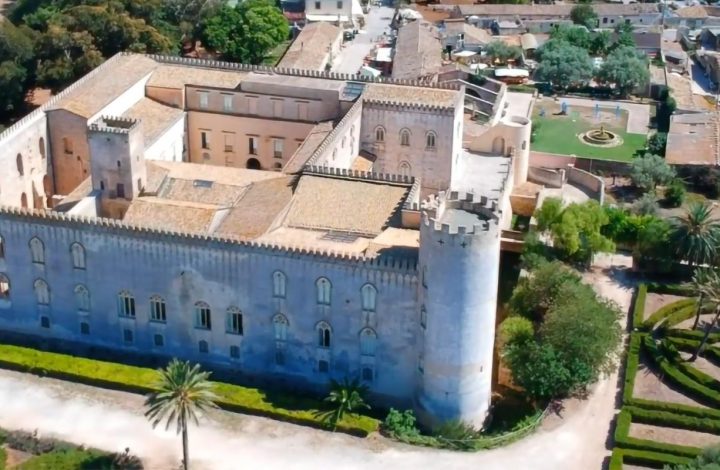
castello di donnafugata
An aristocratic villa surrounded by the Ragusan countryside, steeped in history and charm.
Castello di Donnafugata
This enchanting estate is now open for all kinds of events and is a must-see for anyone visiting the area. The atmosphere around the castle is almost surreal—worth experiencing in person.
Located just 15 km from Ragusa, the journey to the castle takes you along a scenic road lined with olive trees, carob trees, and traditional dry-stone walls.
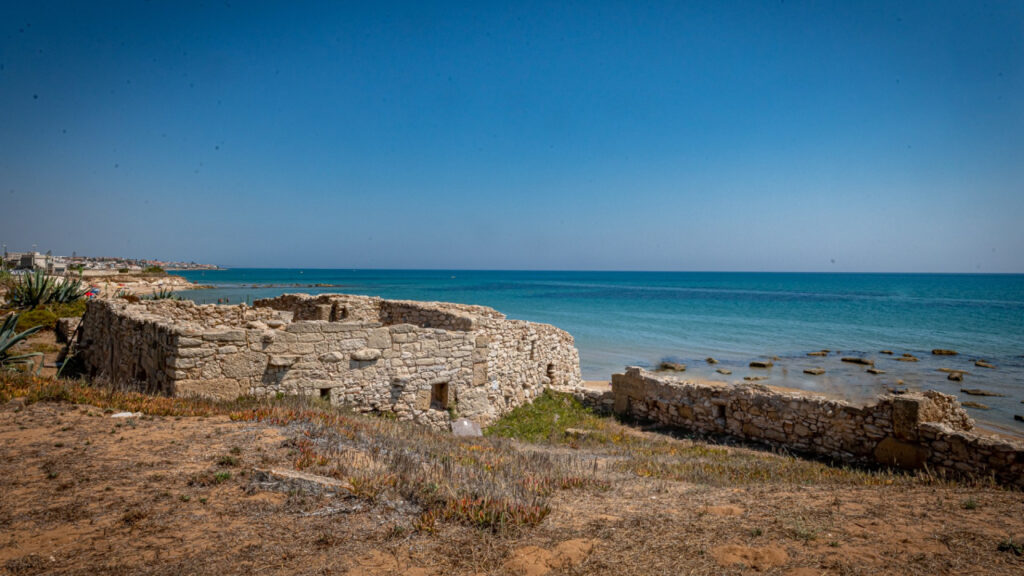
kamarina
An ancient Greek colony by the sea, now a fascinating archaeological site set among nature and ruins.
Kamarina
Kamarina (or Camarina, from the ancient Greek Καμάρινα, Kamárina—meaning “settled after much effort,” according to Strabo) was a significant colony of Syracuse, founded by the Syracusans at the mouth of the Ippari River in southern Sicily.
Today, only ruins and valuable archaeological remains are left, mostly located on Cammarana Hill within the municipality of Ragusa.
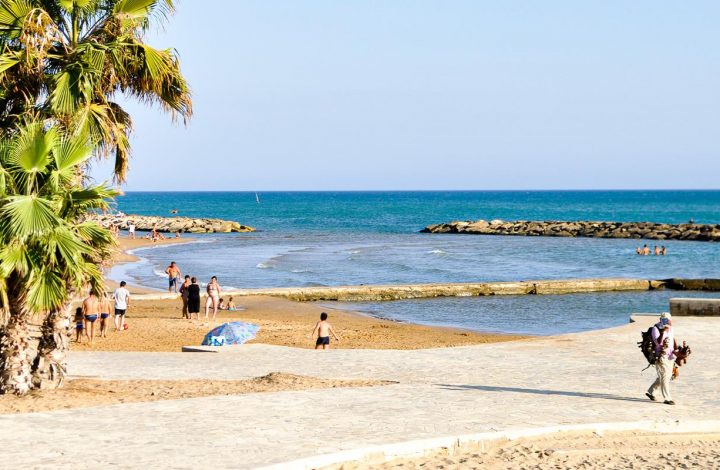
marina di ragusa
A stylish and lively seaside town, perfect for a sunset stroll along the promenade or a sunset aperitif.
Marina di Ragusa
Marina di Ragusa sits on the southeastern coast of Sicily and is one of the island’s most popular seaside destinations. Golden beaches and crystal-clear waters are just some of the highlights of this beautiful coastal town. Part of the Val di Noto area, Marina di Ragusa also offers historic landmarks, family-friendly activities, and a rich selection of local food and wine traditions.
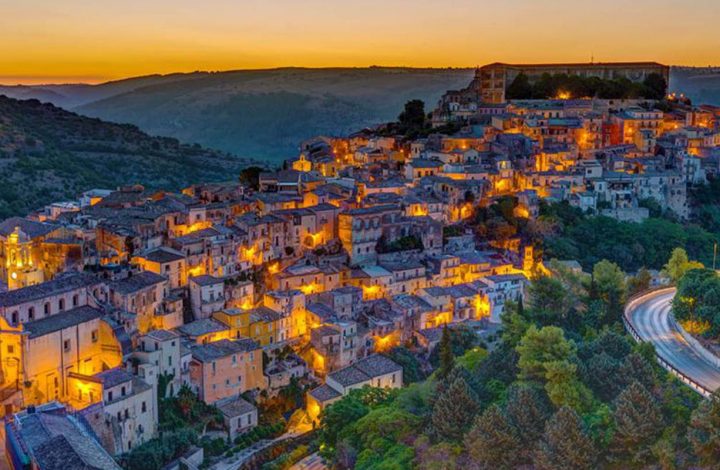
ragusa
A baroque jewel and UNESCO World Heritage Site, with cobbled alleys, ancient churches, and timeless views.
Ragusa
Ragusa is divided into two areas: the modern city and the historic center. Any visit should start at the Cathedral of San Giovanni Battista, a striking example of baroque architecture. The city’s patron saint is celebrated at the end of August with a mix of religious events and traditional festivities that reflect the spirit of Ragusa. Known as “the city of bridges,” Ragusa is home to three historic bridges—Ponte Vecchio, Ponte Nuovo, and Ponte Giovanni XXIII—each with its own unique architectural style. These bridges, along with other city landmarks, have been featured in many scenes of the popular TV series Inspector Montalbano, boosting Ragusa’s fame even further.
scoglitti
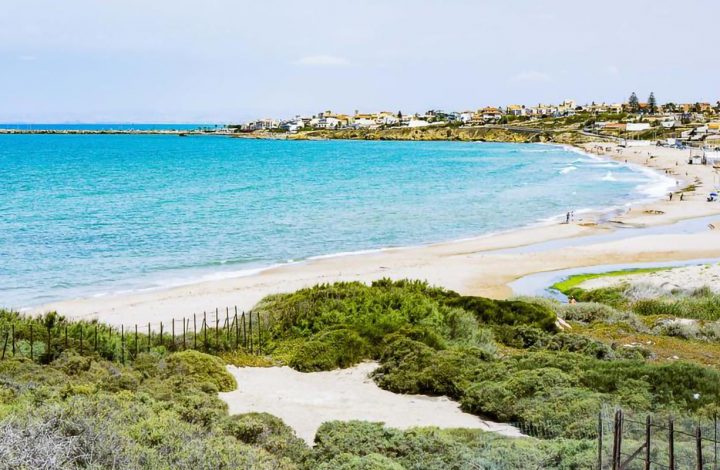
A small fishing village with golden beaches, a lively fish market, and an authentic Sicilian atmosphere.
Scoglitti
Scoglitti is a coastal village and seaside district of Vittoria, located just under 11 km away. It faces the Sicilian Channel near the mouth of the Ippari River.
Set on the Vittoria plain, Scoglitti features wide beaches lined with dunes and soft golden sand. The climate is dry and mild, making it an ideal destination for a relaxing seaside escape.
punta secca
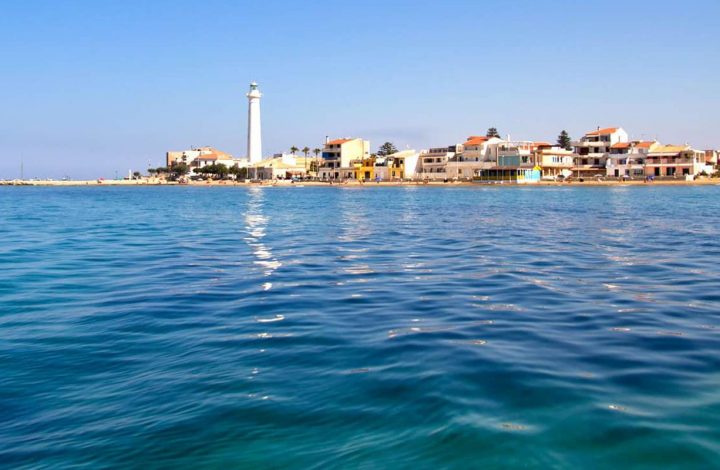
The seaside village made famous by Montalbano, with its lighthouse, 17th-century tower, and crystal-clear sea.
Punta Secca
Punta Secca, or “Sicca” as the locals call it, is a small seaside village and a district of Santa Croce Camerina in the province of Ragusa. In recent years, it has gained fame as one of the main filming locations for the TV series Inspector Montalbano.
Originally a fishing village, life in Punta Secca centers around the Torre Scalambri, a 16th-century watchtower that now serves as a major tourist attraction and features dining options by the sea.
siracusa
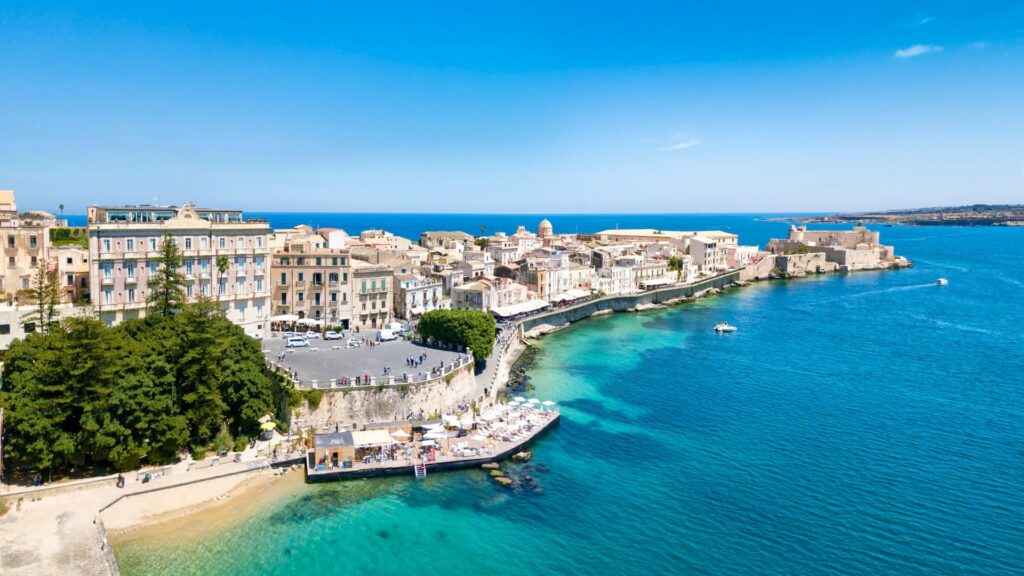
UNESCO-listed cradle of Magna Graecia, with ancient temples, a Greek theatre, and the island of Ortigia.
Siracusa
Syracuse, described by Cicero as “the most beautiful city of Magna Graecia,” still reflects its rich history as a cultural capital, from Greek times through the Renaissance and Baroque periods. A UNESCO World Heritage Site since 2005, the city sits in a natural harbor, framed by Ortigia Island and the Epipoli plateau.
Greek, Roman, and Baroque styles blend throughout the city. Highlights include the Duomo on Ortigia, built atop the ancient Temple of Athena, the ruins of the Temple of Apollo in Piazza Pancali, and the Maniace Castle—an impressive 13th-century fortress built by Frederick II.
noto
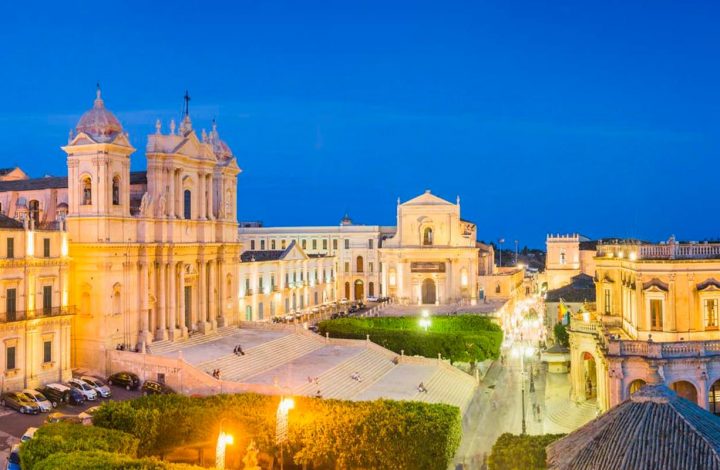
The capital of Sicilian Baroque, with golden-stone façades and dramatic churches.
Noto
Noto, just 31 km from Syracuse and 8 km from the sea, is considered the finest example of Sicilian Baroque. Perched on a plateau overlooking the Asinaro Valley and surrounded by citrus groves, the town impresses even from afar.
Key landmarks include the Arco di Trionfo (Porta Reale), the symbolic entrance to the city, topped with sculptures representing power, loyalty, and sacrifice. Another highlight is the Cathedral of San Nicolò, completed in 1703 and later restored multiple times. Its soft limestone façade blends late Baroque and neoclassical elements.
Beyond its architecture, Noto offers natural beauty too. The Vendicari Nature Reserve is a protected haven for wildlife, while nearby Calamosche Beach is a serene cove with crystal-clear waters—ideal for swimming and total relaxation.
malta
A day of history, sea, and culture—from Valletta and megalithic temples to turquoise waters.
Malta
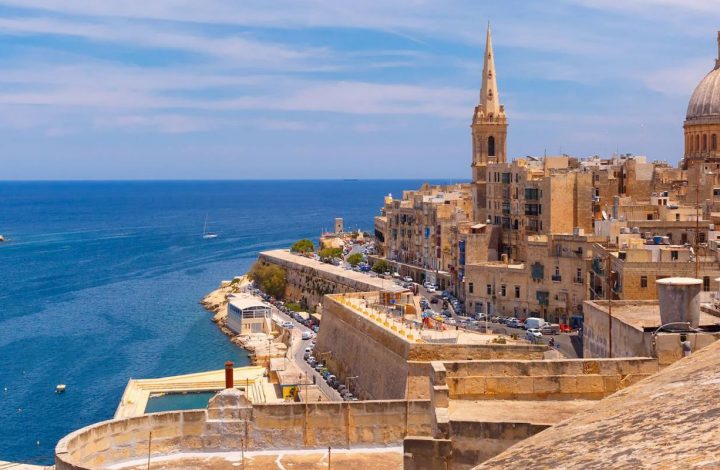
The Maltese archipelago—Malta, Gozo, and Comino—is a Mediterranean paradise just 80 km off the Sicilian coast. But it’s not just the crystal-clear sea and sunshine that attract millions of visitors each year. Malta offers a perfect blend of nature and culture: swim in the Blue Lagoon, then within minutes, explore UNESCO World Heritage sites and remarkable historical landmarks.
Start with Valletta, a perfectly preserved fortified city that houses two Caravaggio masterpieces in its cathedral. Visit the megalithic temples of Gozo, once believed to have been built by giants due to their massive scale. And don’t miss the Hal Saflieni Hypogeum—the world’s only underground prehistoric temple, shrouded in mystery.
caltagirone
Famous for its artistic ceramics and decorated staircase. A blend of craftsmanship, history, and beauty.
Caltagirone
Located in the province of Catania, in southeastern Sicily, Caltagirone is a beautiful hilltop town known for its rich history and many faces. Sitting at 608 meters above sea level, it’s one of Italy’s most important centers for ceramic production and the birthplace of Don Luigi Sturzo, founder of the Italian People’s Party.
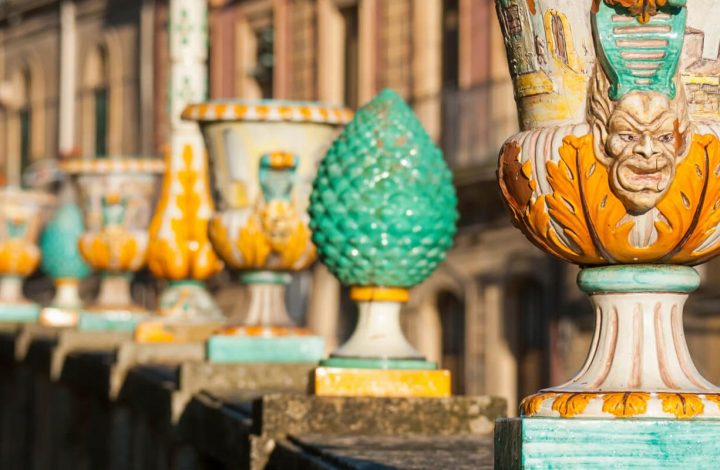
The town is home to several religious landmarks and fascinating museums, including the Regional Museum of Ceramics, which showcases the heritage of the craft that made Caltagirone famous. Among its most iconic ceramic works are the “Teste di Moro”—ornate Moorish head sculptures known locally as graste.
The newer part of Caltagirone sits at the highest point of the town. To connect it with the historic center, a staircase of 142 steps was built in 1606. Over time, it has become a city symbol. Each step features hand-painted tiles, forming a stunning visual pattern that reveals itself more with every step you climb.
agrigento
Explore the Valley of the Temples, one of the Mediterranean’s most iconic archaeological sites.
Agrigento
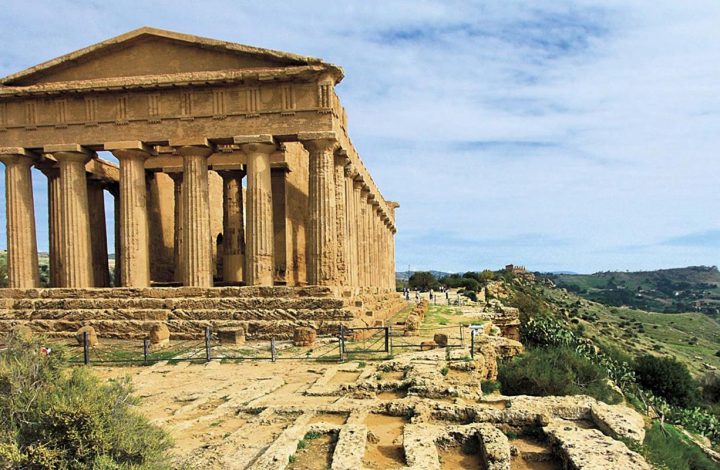
The Valley of the Temples is an absolute must-see if you’re in Agrigento—one of Sicily’s most renowned historical sites.
A UNESCO World Heritage Site, this archaeological park lies south of the city and features eight temples, all built between 510 and 430 BC. The most iconic are the Temple of Concordia and the Temple of Hera, also known as the Temple of Juno.
The visit continues at the Agrigento Regional Archaeological Museum, located within the valley itself.
taormina
Breathtaking views, an ancient theatre, boutique shopping, and timeless charm.
Taormina
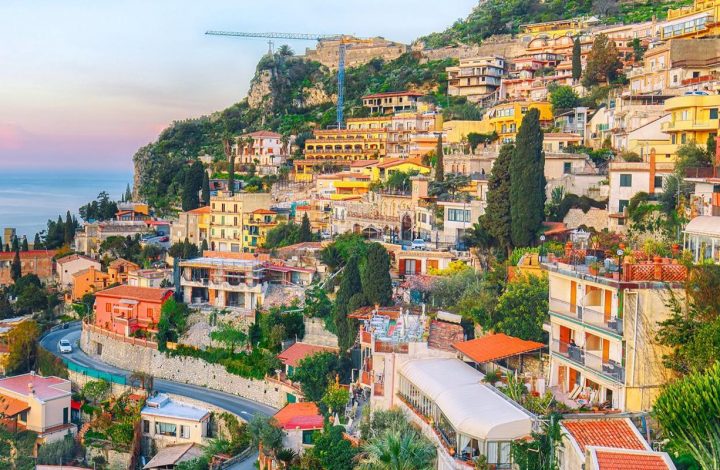
Thanks to its stunning seaside location, scenic beauty, and rich historical, cultural, and archaeological heritage, Taormina is one of the most famous tourist destinations in Sicily.
Must-see highlights: The Greek Theatre of Taormina, built in the 3rd century BC, offers a breathtaking view over the Calabrian and Ionian coasts, with Mount Etna as a dramatic backdrop. Palazzo Corvaja, a noble villa located in the heart of Taormina. A stroll along Corso Umberto I, the town’s main street, lined with boutiques, fashion stores, souvenir shops, delis, and cafés.
Isola Bella, a lush islet of about 1 square kilometer, is connected to the mainland by a narrow strip of sand—a natural paradise rich in vegetation.